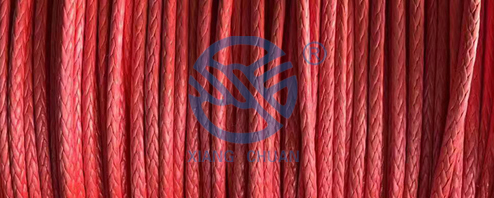
Marine mooring systems are the critical link between vessels and offshore structures or port facilities, ensuring stability during berthing, loading, unloading, and offshore operations. Among the various components of these systems, mooring tails play a vital role as flexible connectors that absorb dynamic loads, reduce stress concentration, and protect other mooring elements such as chains and winches. However, operating in harsh marine environments—characterized by saltwater corrosion, extreme weather, dynamic wave and current forces, and mechanical wear—mooring tails are prone to multiple failure modes. Understanding these failure modes is essential for maritime operators, engineers, and maintenance teams to mitigate risks, extend service life, and ensure operational safety. This article explores the common failure modes of marine mooring tails, their underlying causes, contributing factors, and potential consequences.
1. Mechanical Wear and Abrasion Failure
Mechanical wear and abrasion are the most prevalent failure modes of marine mooring tails, accounting for a significant proportion of mooring system malfunctions. This failure mode occurs when the surface of the mooring tail material is gradually eroded or worn away due to repeated contact with other mooring components, offshore structures, seabed debris, or environmental particles.
The primary causes of wear and abrasion include several factors. Firstly, contact with hard surfaces is a major contributor. During mooring operations, the tail frequently comes into contact with sharp edges of the vessel’s bollards, cleats, or the hull, as well as the concrete or steel structures of ports and offshore platforms. Over time, this repeated contact leads to the removal of material from the tail’s surface, weakening its structural integrity. Secondly, relative motion between mooring components exacerbates wear. As waves, currents, and wind cause the vessel to move, the mooring tail rubs against chains, ropes, or other tails, resulting in friction-induced abrasion. This is particularly severe in dynamic mooring systems where the vessel experiences constant oscillation.
Environmental factors also play a role in enhancing wear. Seawater contains sand, gravel, and other abrasive particles that act as abrasives when trapped between the mooring tail and other surfaces. Additionally, marine organisms such as barnacles and mussels can attach to the tail’s surface, creating an uneven texture that increases friction during movement, further accelerating wear.
The consequences of wear and abrasion failure range from reduced load-bearing capacity to sudden catastrophic failure. Initially, the wear may appear as surface scratches or thinning of the material. As the wear progresses, the cross-sectional area of the mooring tail decreases, leading to increased stress concentrations. Eventually, if not detected and addressed, the tail may snap under normal operating loads, resulting in vessel drift, collision with structures, or damage to cargo and equipment.
2. Corrosion Failure
Corrosion is another major failure mode for marine mooring tails, especially for those made of metallic materials such as steel or aluminum alloys. Even synthetic mooring tails can be susceptible to corrosion-related damage if they contain metallic components or are used in conjunction with corroded metal mooring elements. Corrosion is the electrochemical reaction between the material and the marine environment, leading to the degradation of the material’s properties.
Saltwater is the primary driver of corrosion in marine mooring tails. The high salt content in seawater increases its electrical conductivity, facilitating the electrochemical reaction. The presence of dissolved oxygen, carbon dioxide, and other impurities in seawater further accelerates the corrosion process. Additionally, temperature fluctuations, wave action, and tidal cycles expose the mooring tail to varying environmental conditions, which can intensify corrosion. For example, in splash zones—areas where the tail is alternately submerged and exposed to air—corrosion rates are significantly higher due to the constant supply of oxygen and moisture.
There are several types of corrosion that affect marine mooring tails. Uniform corrosion is the most common type, where the entire surface of the metallic material is evenly corroded, leading to a gradual reduction in thickness. Pitting corrosion is a more localized and destructive form of corrosion, where small pits or holes form on the surface of the material. These pits can deepen over time, weakening the material and potentially leading to sudden failure. Galvanic corrosion occurs when two different metallic materials are in contact in the presence of an electrolyte (seawater). The more reactive metal acts as the anode and corrodes at an accelerated rate, while the less reactive metal acts as the cathode and is protected. This type of corrosion is particularly problematic when mooring tails are connected to chains, winches, or other metal components made of different alloys.
The consequences of corrosion failure include reduced strength, brittleness, and eventual structural collapse of the mooring tail. Corroded mooring tails are more prone to breaking under dynamic loads, which can compromise the entire mooring system. Additionally, corrosion products such as rust can accumulate on the surface of the tail, affecting its flexibility and performance.
3. Fatigue Failure
Fatigue failure is a common mode of failure for marine mooring tails subjected to repeated cyclic loads. Unlike wear and corrosion, which are gradual processes, fatigue failure occurs due to the accumulation of microcracks in the material over time, resulting from repeated stress cycles. These microcracks grow and propagate until they reach a critical size, leading to sudden and catastrophic failure of the mooring tail.
The primary cause of fatigue failure in mooring tails is the dynamic nature of the marine environment. Waves, currents, wind, and vessel motion subject the mooring tail to repeated tensile, compressive, and bending stresses. Each stress cycle causes small amounts of damage to the material, which accumulates over time. The magnitude and frequency of these stress cycles are key factors in determining the rate of fatigue damage. High-stress cycles (e.g., during severe weather conditions) and high-frequency cycles (e.g., in areas with strong wave action) accelerate the fatigue process.
Other factors that contribute to fatigue failure include stress concentrations, material defects, and improper installation. Stress concentrations occur at points where the cross-sectional area of the mooring tail changes, such as at connections, knots, or damage sites. These areas experience higher stress levels during cyclic loading, making them more susceptible to microcrack initiation. Material defects, such as impurities, voids, or manufacturing flaws, can act as initiation points for fatigue cracks. Improper installation, such as over-tightening the mooring tail or installing it at an incorrect angle, can also introduce additional stresses that contribute to fatigue damage.
Fatigue failure is particularly dangerous because it often occurs without any visible warning signs. The mooring tail may appear to be in good condition, but the accumulated microcracks can lead to sudden failure under normal operating loads. This can result in severe consequences, including vessel drift, collision, and loss of cargo or equipment.
4. Overload Failure
Overload failure occurs when the mooring tail is subjected to a load that exceeds its maximum load-bearing capacity. This can happen due to a variety of factors, including extreme weather conditions, improper mooring design, human error, or unexpected events such as vessel collisions or equipment malfunctions.
Extreme weather conditions such as hurricanes, typhoons, and severe storms are the most common cause of overload failure. During these events, the wind, wave, and current forces acting on the vessel increase significantly, placing excessive stress on the mooring tail. If the mooring tail is not designed to withstand these extreme loads, it will fail, potentially leading to the loss of the mooring system.
Improper mooring design is another major contributor to overload failure. This includes selecting a mooring tail with insufficient load capacity for the application, using an incorrect number of mooring tails, or designing a mooring system that does not distribute loads evenly among the components. For example, if a mooring system is designed with too few mooring tails, each tail will be subjected to higher loads than it can handle, leading to overload failure.
Human error can also lead to overload failure. This includes over-tightening the mooring tail during installation, operating the vessel outside of the mooring system’s design parameters, or failing to adjust the mooring lines during changes in environmental conditions. Additionally, unexpected events such as vessel collisions, equipment malfunctions, or sudden changes in cargo weight can place sudden and excessive loads on the mooring tail, leading to overload failure.
The consequences of overload failure are typically severe, including the sudden failure of the mooring tail, loss of mooring system integrity, vessel drift, collision with other vessels or structures, and damage to cargo and equipment. In extreme cases, overload failure can result in the loss of the vessel or serious injuries to crew members.
5. Chemical Degradation Failure
Chemical degradation failure occurs when the mooring tail material is damaged by exposure to chemicals in the marine environment. This type of failure is most common for synthetic mooring tails made of materials such as nylon, polyester, or polypropylene, but can also affect metallic mooring tails if they are exposed to corrosive chemicals.
The primary sources of chemicals that cause degradation include industrial pollutants, oil spills, and marine biocides. Industrial pollutants such as heavy metals, solvents, and acids can be discharged into the marine environment from coastal industrial facilities, contaminating the seawater and damaging the mooring tail material. Oil spills can coat the surface of the mooring tail, reducing its flexibility and strength, and can also react with the material to cause chemical degradation. Marine biocides, which are used to prevent the growth of marine organisms on vessels and offshore structures, can also be toxic to mooring tail materials, causing them to degrade over time.
Chemical degradation can occur in several ways, including oxidation, hydrolysis, and photodegradation. Oxidation is the reaction of the material with oxygen in the presence of chemicals, leading to the breakdown of the material’s molecular structure. Hydrolysis is the reaction of the material with water, which can break down the chemical bonds in the material, reducing its strength and flexibility. Photodegradation is the breakdown of the material due to exposure to ultraviolet (UV) radiation from the sun, which can be accelerated by the presence of chemicals in the environment.
The consequences of chemical degradation failure include reduced strength, flexibility, and durability of the mooring tail. The material may become brittle, cracked, or discolored, and may eventually fail under normal operating loads. Additionally, chemical degradation can compromise the mooring tail’s ability to absorb dynamic loads, increasing the stress on other components of the mooring system.
6. Improper Installation and Handling Failure
Improper installation and handling during the lifecycle of marine mooring tails can lead to various forms of failure, often by exacerbating other failure modes such as wear, fatigue, and overload. This failure mode is largely preventable but is common due to inadequate training, rushed operations, or lack of adherence to standard operating procedures.
During installation, common mistakes include incorrect knotting, over-tightening, or misalignment of the mooring tail. Incorrect knotting can create stress concentrations that act as initiation points for fatigue cracks and reduce the load-bearing capacity of the tail. Over-tightening the mooring tail during installation places it under constant tensile stress, which increases the risk of fatigue failure and overload failure if additional dynamic loads are applied. Misalignment of the mooring tail can cause uneven load distribution, leading to localized stress concentrations and increased wear.
Improper handling during storage and transportation can also damage mooring tails. For example, storing mooring tails in damp, corrosive environments or exposing them to UV radiation for extended periods can lead to corrosion and chemical degradation. Rough handling during transportation can cause surface damage, such as scratches or cuts, which can act as initiation points for wear and fatigue failure.
The consequences of improper installation and handling failure are varied, depending on the nature of the mistake. They can include reduced service life of the mooring tail, increased risk of other failure modes, and sudden failure during operation. In some cases, improper installation can lead to the failure of the entire mooring system, resulting in vessel drift and collision.
Mitigation Strategies for Common Failure Modes
To mitigate the common failure modes of marine mooring tails, several strategies can be implemented by maritime operators and maintenance teams. Firstly, regular inspection and maintenance are essential. This includes visual inspections for signs of wear, corrosion, and damage, as well as non-destructive testing (NDT) techniques such as ultrasonic testing and magnetic particle testing to detect internal defects and fatigue cracks. Any damaged or worn mooring tails should be replaced immediately.
Secondly, proper material selection is critical. Mooring tails should be selected based on the specific environmental conditions and operating requirements of the application. For example, in corrosive environments, synthetic mooring tails or corrosion-resistant metallic alloys should be used. Additionally, mooring tails with high abrasion resistance and fatigue strength should be selected for dynamic mooring systems.
Thirdly, proper installation and handling procedures should be followed. This includes using correct knotting techniques, ensuring proper alignment and tension of the mooring tail, and handling and storing the tail in a manner that prevents damage. Training and education of crew members on proper mooring practices are also essential.
Fourthly, regular cleaning and maintenance of the mooring system can help to prevent the buildup of marine organisms, abrasive particles, and chemicals, reducing the risk of wear, corrosion, and chemical degradation. This includes cleaning the mooring tails and other components with appropriate cleaning agents and removing any marine growth.
Finally, monitoring the mooring system during operation can help to detect early signs of failure. This includes monitoring the tension in the mooring tails, as well as the motion of the vessel, to ensure that the system is operating within design parameters. In extreme weather conditions, additional precautions should be taken, such as reducing the load on the mooring system or disconnecting the vessel if necessary.
Conclusion
Marine mooring tails are critical components of mooring systems, but they are prone to multiple failure modes due to the harsh marine environment and dynamic operating conditions. The common failure modes include mechanical wear and abrasion, corrosion, fatigue, overload, chemical degradation, and improper installation and handling. Each of these failure modes has distinct causes and consequences, but they can be mitigated through regular inspection and maintenance, proper material selection, correct installation and handling procedures, and ongoing monitoring of the mooring system.
Understanding the common failure modes of marine mooring tails is essential for ensuring the safety and reliability of mooring operations. By implementing effective mitigation strategies, maritime operators can extend the service life of mooring tails, reduce the risk of failure, and protect vessels, cargo, and crew members from harm. As the maritime industry continues to evolve, ongoing research and development of new materials and technologies will further improve the performance and reliability of marine mooring tails, reducing the impact of common failure modes.

 English
 Español
 Portugues
 Pусский
 Français
 Deutsch
 日本語
日本語
 한국어
한국어
 العربية
 Italian
 Nederlands
 Ελληνικά
 Svenska
 Polski
 ไทย
ไทย
 Turkish
 हिन्दी
 Indonesia
 Melayu
 Tiếng Việt
 dansk
dansk
 Magyar
 বাংলা
বাংলা
 čeština
 Soomaali
 မြန်မာ
 فارسی
فارسی
 українська
 norsk
norsk
 Gaeilge
 беларускі
 ພາສາລາວ
 Filipino
 lietuvių
 Cymraeg
 Suomalainen
 o'zbek
 اردو
اردو
 հայերեն
 سنڌي
سنڌي
 Hrvatski
 íslenskur
 galego
 català
 Zulu South Africa
 ಕನ್ನಡ
ಕನ್ನಡ
 Indonésia Sunda
 Кыргызча
 тоҷикӣ
 Србија
 Hawaii
 नेपाल
नेपाल
 euskara
 latvija
 پښتو
پښتو
 საქართველოს
 bosna
bosna
 Eesti
Eesti
 Azerbaijani
 Shqipëria
 Malta
Malta
 Kikongo
 Eʋegbe
 Fiji
Fiji
 Tonga
Tonga
 中文站
中文站

 +86-514-88253368



 Telefon
cometariu
(0)