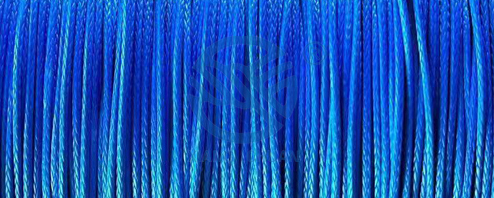
Marine mooring tails are indispensable components of maritime mooring systems, serving as flexible intermediaries that absorb dynamic loads, mitigate stress concentrations, and safeguard critical equipment such as chains, winches, and bollards. Operating in inherently harsh marine environments—marked by saltwater corrosion, abrasive seawater particles, extreme weather fluctuations, and continuous cyclic stresses—mooring tails are subject to gradual degradation that can compromise their structural integrity and shorten their service life. The premature failure of mooring tails not only leads to costly replacements but also poses significant safety risks, including vessel drift, collisions, and cargo damage. To address these challenges, implementing a comprehensive and systematic maintenance regime is paramount. This article details the key maintenance steps that maritime operators and maintenance teams can adopt to extend the lifespan of mooring tails, ensuring their reliability, safety, and cost-effectiveness over the long term.
1. Routine Visual Inspection: The Foundation of Proactive Maintenance
Routine visual inspection is the cornerstone of any effective mooring tail maintenance program, enabling the early detection of minor defects before they escalate into major failures. This step should be conducted regularly, with the frequency adjusted based on operational conditions—weekly for high-traffic ports or offshore facilities exposed to severe weather, and at minimum monthly for less demanding environments. Additionally, a thorough inspection must be performed immediately after extreme weather events such as hurricanes, typhoons, or severe storms, as these conditions can inflict sudden damage to mooring components.
During visual inspections, maintenance personnel should focus on several critical areas. First, check for signs of mechanical wear and abrasion, such as surface scratches, thinning of the material, or fraying of synthetic fibers. Pay particular attention to areas that come into frequent contact with bollards, cleats, hulls, or other mooring components, as these are high-wear zones. Second, inspect for corrosion, especially for metallic mooring tails or synthetic tails with metallic fittings. Look for rust, pitting, or discoloration, which indicate the onset of electrochemical degradation. Third, examine for signs of fatigue, such as microcracks, especially at connection points, knots, or areas with previous damage—these are common initiation sites for fatigue failure. Fourth, check for chemical damage, including brittleness, discoloration, or swelling, which may result from exposure to oil spills, industrial pollutants, or marine biocides.
To ensure consistency and thoroughness, visual inspections should be documented in a dedicated maintenance log. The log should include details such as the inspection date, inspector’s name, condition of the mooring tail, any defects identified, and the actions taken to address them. This documentation not only facilitates traceability but also helps identify long-term degradation trends, enabling proactive adjustments to the maintenance program.
2. Thorough Cleaning: Mitigating Corrosion and Abrasion Risks
The accumulation of seawater deposits, marine organisms, abrasive particles, and chemical contaminants on mooring tails significantly accelerates degradation. Regular and thorough cleaning is therefore a critical maintenance step to remove these harmful substances and extend the lifespan of mooring tails. The cleaning process should be tailored to the material of the mooring tail—synthetic (e.g., nylon, polyester, polypropylene) or metallic (e.g., steel, corrosion-resistant alloys)—to avoid damaging the material.
For synthetic mooring tails, the cleaning process typically involves three key steps. First, rinse the tail thoroughly with fresh water to remove loose salt, sand, and debris. This can be done using a high-pressure water hose, but care should be taken to use a pressure setting that does not damage the synthetic fibers—excessive pressure can cause fiber fraying or weakening. Second, use a mild, non-abrasive detergent specifically formulated for marine synthetic materials to remove stubborn deposits, such as oil stains or marine organism residues. Avoid using harsh chemicals, bleach, or solvent-based cleaners, as these can break down the molecular structure of synthetic fibers, leading to brittleness and reduced strength. Third, rinse the tail again with fresh water to remove all detergent residues, then allow it to air-dry completely before storage or reuse. Air-drying is preferred over machine drying, as high temperatures can damage synthetic materials.
For metallic mooring tails, cleaning focuses on removing corrosion products, salt deposits, and marine growth to prevent further electrochemical degradation. Start by using a soft-bristled brush to remove loose rust and debris. For more stubborn corrosion, a non-abrasive abrasive pad can be used, but avoid using wire brushes or harsh abrasives that can scratch the metal surface—these scratches can act as initiation points for new corrosion. Next, apply a marine-grade metal cleaner or degreaser to remove oil and grease deposits, then rinse thoroughly with fresh water. After cleaning, it is recommended to apply a corrosion-inhibiting coating or grease to the metallic surface, especially for areas prone to exposure to saltwater and air, such as splash zones. This coating acts as a barrier, preventing direct contact between the metal and the corrosive marine environment.
In addition to regular cleaning, it is important to remove marine organisms such as barnacles, mussels, and algae from mooring tails as soon as they are detected. These organisms not only create an uneven surface that increases friction and abrasion during mooring operations but also trap moisture and saltwater against the tail’s surface, accelerating corrosion and degradation. Marine growth can be removed using a soft brush or a plastic scraper—avoid using metal scrapers that can damage the mooring tail material.
3. Proper Storage and Handling: Preventing Premature Damage
Improper storage and handling are major contributors to premature mooring tail damage, often leading to wear, corrosion, and chemical degradation before the tail even enters service. Implementing proper storage and handling practices is therefore a critical maintenance step to preserve the integrity of mooring tails and extend their lifespan.
When storing mooring tails, several key principles should be followed. First, store mooring tails in a clean, dry, and well-ventilated environment, away from direct sunlight, moisture, and corrosive substances. Direct sunlight exposes synthetic mooring tails to ultraviolet (UV) radiation, which breaks down the molecular structure of the fibers, leading to brittleness and reduced strength. Moisture and dampness, on the other hand, promote corrosion in metallic tails and can cause mold growth in synthetic tails. Corrosive substances, such as chemicals, fuels, or fertilizers, should be stored separately to avoid accidental contamination.
Second, mooring tails should be stored in a relaxed, coiled position to avoid permanent deformation or stress concentrations. For synthetic tails, the coil diameter should be at least 10 to 15 times the diameter of the tail to prevent fiber damage. Avoid hanging mooring tails from sharp hooks or edges, as this can cause localized wear and stress. Instead, use wide, smooth supports or racks designed specifically for mooring equipment.
Third, metallic mooring tails should be inspected and treated with a corrosion-inhibiting coating or grease before storage, especially if they will be stored for an extended period. This coating provides an additional layer of protection against moisture and corrosion. Synthetic mooring tails, on the other hand, can be stored in breathable bags or covers to protect them from dust, debris, and UV radiation.
Proper handling practices are equally important during transportation and installation. During transportation, mooring tails should be secured to prevent movement and rubbing against other equipment or surfaces. Use soft straps or padding to protect the tail from sharp edges or abrasive contact. Avoid dragging mooring tails across rough surfaces, such as concrete or metal decks, as this can cause surface wear and damage. During installation, ensure that the mooring tail is not over-tightened, as this places it under constant tensile stress, increasing the risk of fatigue failure. Use correct knotting techniques to avoid creating stress concentrations, and ensure that the tail is aligned properly to distribute loads evenly.
4. Regular Non-Destructive Testing (NDT): Detecting Hidden Defects
While routine visual inspections are effective for detecting surface defects, they are unable to identify hidden internal defects, such as microcracks, material fatigue, or internal corrosion, which can compromise the structural integrity of mooring tails without any visible signs. Regular non-destructive testing (NDT) is therefore a critical maintenance step to detect these hidden defects early, enabling timely repairs or replacements before catastrophic failure occurs.
The choice of NDT technique depends on the material of the mooring tail and the type of defects being targeted. For metallic mooring tails, common NDT techniques include ultrasonic testing (UT), magnetic particle testing (MPT), and eddy current testing (ECT). Ultrasonic testing uses high-frequency sound waves to detect internal defects, such as microcracks, voids, or internal corrosion. This technique is particularly effective for measuring the thickness of metallic tails, enabling the detection of uniform corrosion that may not be visible on the surface. Magnetic particle testing is used to detect surface and near-surface cracks in ferromagnetic materials, such as steel. This technique works by magnetizing the metal and applying magnetic particles—defects cause a distortion in the magnetic field, which attracts the particles, making the defect visible. Eddy current testing is used to detect surface and near-surface defects in conductive materials, such as aluminum alloys. It works by inducing eddy currents in the material—defects disrupt the eddy currents, which are detected by a sensor.
For synthetic mooring tails, NDT techniques such as acoustic emission testing (AET) and infrared thermography (IRT) are more suitable. Acoustic emission testing detects the sound waves emitted by the growth of microcracks or fiber breakage in synthetic materials. This technique is particularly effective for monitoring mooring tails under load, as the stress causes the defects to grow, emitting acoustic signals that can be detected and analyzed. Infrared thermography uses thermal imaging to detect areas of abnormal temperature, which can indicate internal damage, such as fiber degradation or moisture absorption. Moisture absorption in synthetic tails can lead to reduced strength and increased susceptibility to chemical degradation, making infrared thermography a valuable tool for detecting this hidden defect.
The frequency of NDT should be determined based on the mooring tail’s material, age, and operating conditions. For new mooring tails, NDT can be performed annually to establish a baseline condition. For older tails or those operating in harsh environments, NDT should be performed semi-annually. Additionally, NDT should be conducted after any significant event that may have caused damage, such as extreme weather, vessel collisions, or overload conditions.
5. Timely Repair and Replacement: Addressing Defects Before Failure
Detecting defects through routine inspections and NDT is only effective if timely action is taken to address them. Prompt repair or replacement of damaged mooring tails is therefore a critical maintenance step to prevent further degradation and extend the overall lifespan of the mooring system.
For minor defects, such as small surface scratches, fraying of synthetic fibers, or localized corrosion, repair may be a viable option. For synthetic mooring tails, minor fraying can be addressed by trimming the frayed fibers and applying a marine-grade synthetic fiber sealant to prevent further unraveling. Small surface scratches can be cleaned and treated with a protective coating to prevent moisture absorption and chemical degradation. For metallic mooring tails, localized corrosion can be removed using a non-abrasive pad, then the area can be cleaned and treated with a corrosion-inhibiting coating or paint. It is important to note, however, that repairs should only be performed if they do not compromise the load-bearing capacity of the mooring tail. Repairs should be carried out by qualified personnel using manufacturer-recommended materials and techniques.
In cases where defects are severe or irreparable, immediate replacement of the mooring tail is necessary. Severe defects include deep cracks, significant material thinning, extensive corrosion, severe fraying or fiber breakage, and any defect that reduces the load-bearing capacity of the tail below the manufacturer’s specifications. Additionally, mooring tails that have reached their recommended service life—typically 5 to 10 years, depending on the material and operating conditions—should be replaced, even if no visible defects are present. Over time, the cumulative effect of environmental exposure and cyclic loading can weaken the material, increasing the risk of sudden failure.
When replacing mooring tails, it is important to select a tail that is compatible with the existing mooring system and designed for the specific operating conditions. Consider factors such as load capacity, material compatibility, abrasion resistance, and corrosion resistance. Consult the manufacturer’s specifications and guidelines to ensure that the replacement tail meets the required performance standards.
6. Environmental Mitigation: Reducing Exposure to Harmful Conditions
While mooring tails are inherently exposed to harsh marine environments, implementing measures to mitigate the impact of these conditions can significantly extend their lifespan. Environmental mitigation strategies focus on reducing the mooring tail’s exposure to corrosive substances, abrasive particles, and extreme weather, thereby slowing down the degradation process.
One key environmental mitigation strategy is the use of protective covers or sleeves for high-wear areas of the mooring tail. For example, installing abrasion-resistant sleeves around areas that come into frequent contact with bollards, cleats, or hulls can reduce friction and wear. These sleeves are typically made of durable, abrasion-resistant materials such as polyurethane or rubber and can be easily replaced when worn.
Another strategy is to minimize the mooring tail’s exposure to chemical contaminants. This includes avoiding contact with oil spills, industrial pollutants, and marine biocides. In areas where chemical contamination is likely, such as near industrial ports or oil terminals, mooring tails should be inspected and cleaned more frequently. Additionally, using chemical-resistant materials for mooring tails in these environments can reduce the risk of chemical degradation.
Mitigating the impact of extreme weather conditions is also important. During severe weather events, such as hurricanes or typhoons, vessels should be disconnected from mooring systems if possible, or additional mooring lines should be deployed to distribute the load evenly, reducing the stress on individual mooring tails. After severe weather, mooring tails should be thoroughly inspected for damage and cleaned to remove any debris or contaminants accumulated during the event.
Finally, controlling marine growth is an important environmental mitigation strategy. Regular cleaning to remove marine organisms, as discussed earlier, is critical, but additional measures such as the use of anti-fouling coatings can also be effective. Anti-fouling coatings applied to metallic mooring tails or synthetic tails with metallic fittings can prevent the attachment of marine organisms, reducing the risk of abrasion and corrosion.
7. Training and Education: Ensuring Proper Maintenance Practices
The effectiveness of any maintenance program depends on the knowledge and skills of the personnel responsible for implementing it. Providing comprehensive training and education to maritime crew members and maintenance teams is therefore a critical step to ensure that proper maintenance practices are followed consistently, extending the lifespan of mooring tails.
Training programs should cover a range of topics, including the importance of routine maintenance, proper visual inspection techniques, cleaning and storage procedures, NDT basics, and repair and replacement guidelines. Crew members should be trained to recognize the signs of mooring tail degradation, such as wear, corrosion, and fatigue, and to document and report these signs promptly. Additionally, training should include proper handling and installation techniques to avoid causing damage to mooring tails during operation.
Regular refresher training is also important to keep personnel updated on the latest maintenance techniques, materials, and safety guidelines. As new technologies and materials are developed for mooring tails, maintenance practices may need to be adjusted, and crew members should be trained accordingly. Additionally, training should include emergency response procedures for mooring tail failures, ensuring that personnel are prepared to take quick and effective action in the event of a malfunction.
Conclusion
Extending the lifespan of marine mooring tails requires a proactive and comprehensive maintenance approach that addresses the unique challenges of the marine environment. By implementing the key maintenance steps outlined in this article—routine visual inspection, thorough cleaning, proper storage and handling, regular non-destructive testing, timely repair and replacement, environmental mitigation, and personnel training—maritime operators can significantly reduce the rate of mooring tail degradation, ensuring their reliability and safety over the long term.
Each maintenance step plays a critical role in preserving the structural integrity of mooring tails. Routine visual inspections and NDT detect defects early, while cleaning and environmental mitigation reduce the impact of harmful conditions. Proper storage and handling prevent premature damage, and timely repair and replacement address defects before they lead to failure. Personnel training ensures that these practices are implemented consistently and effectively.
In the maritime industry, where safety and cost-effectiveness are paramount, investing in a robust mooring tail maintenance program is not only a practical measure but also a necessary one. By extending the lifespan of mooring tails, operators can reduce replacement costs, minimize downtime, and most importantly, protect vessels, cargo, and crew members from the risks associated with mooring system failures. As the industry continues to evolve, ongoing research and development of new maintenance technologies and materials will further enhance the effectiveness of these maintenance steps, ensuring the long-term reliability of marine mooring tails.

 English
 Español
 Portugues
 Pусский
 Français
 Deutsch
 日本語
日本語
 한국어
한국어
 العربية
 Italian
 Nederlands
 Ελληνικά
 Svenska
 Polski
 ไทย
ไทย
 Turkish
 हिन्दी
 Indonesia
 Melayu
 Tiếng Việt
 dansk
dansk
 Magyar
 বাংলা
বাংলা
 čeština
 Soomaali
 မြန်မာ
 فارسی
فارسی
 українська
 norsk
norsk
 Gaeilge
 беларускі
 ພາສາລາວ
 Filipino
 lietuvių
 Cymraeg
 Suomalainen
 o'zbek
 اردو
اردو
 հայերեն
 سنڌي
سنڌي
 Hrvatski
 íslenskur
 galego
 català
 Zulu South Africa
 ಕನ್ನಡ
ಕನ್ನಡ
 Indonésia Sunda
 Кыргызча
 тоҷикӣ
 Србија
 Hawaii
 नेपाल
नेपाल
 euskara
 latvija
 پښتو
پښتو
 საქართველოს
 bosna
bosna
 Eesti
Eesti
 Azerbaijani
 Shqipëria
 Malta
Malta
 Kikongo
 Eʋegbe
 Fiji
Fiji
 Tonga
Tonga
 中文站
中文站

 +86-514-88253368



 Telefon
cometariu
(0)